The Neurological Impact of Heading in Soccer: A Deep Dive into the Latest Research
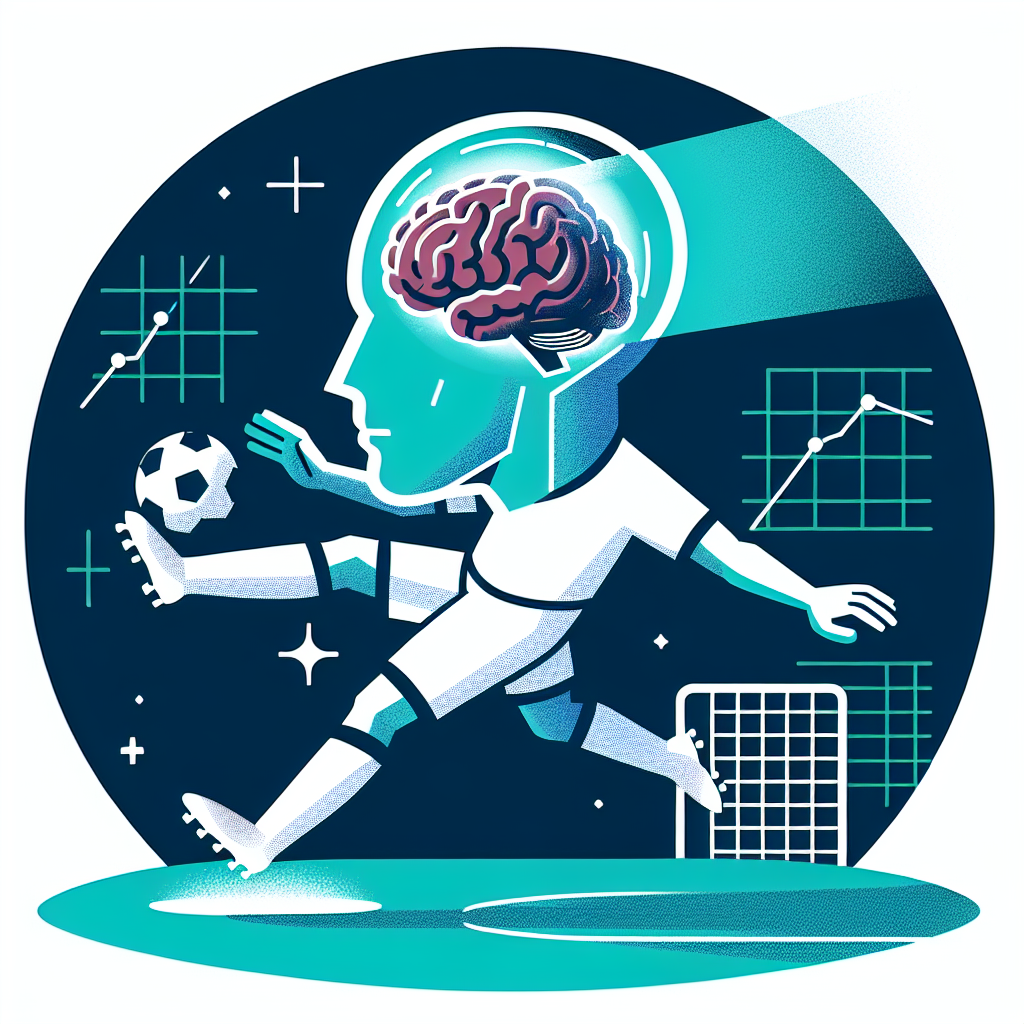
The is a potential neurological risk associated with one of soccer’s fundamental techniques: heading the ball. Recent studies have highlighted the various impacts of repeated soccer heading on brain structure and function, raising concerns about the long-term health implications for players.
The Neurological Effects of Heading: What the Science Says
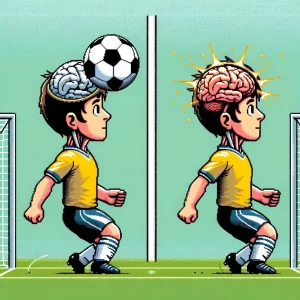
A comprehensive study conducted by Columbia University Irving Medical Center has revealed that heading a soccer ball can lead to measurable declines in brain structure over two years. The study emphasizes that frequent headers, when performed repeatedly, correlate with changes in brain function source.
Moreover, Columbia Magazine reports that while soccer players may not immediately display concussion symptoms after heading, there are significant neurological changes noticeable in brain scans source. These changes often manifest as cognitive impairment over time, especially among players who frequently head the ball.
Heading Frequency and Cognitive Impairment Risks
Frequent heading in soccer is associated with neurological symptoms, including headaches and cognitive disorientation. The Journal of the American Medical Association (JAMA) presses the argument further by presenting data that links frequent heading to increased risk of cognitive impairment in retired players (source)
“While the link between heading and acute injuries is still being debated, the evidence points to noticeable changes in brain health due to repetitive exposure.”
Balancing Tradition with Safety: Innovations in Soccer Practices
Soccer’s unique requirement for players to use their heads to direct a ball has been ingrained in the sport’s tradition. However, with emerging evidence of neurological risks, some experts suggest implementing limits on heading practices, especially in youth leagues.
- Educating Coaches and Players: It is critical to provide training on safer heading techniques and raising awareness about the potential long-term effects of repeated heading.
- Technology and Gear Innovations: Development of protective headgear could help mitigate impact forces during heading, thereby potentially reducing the neurological impact.
- Policy Adjustments: Organizations like FIFA could consider regulating the amount of heading during training sessions and monitoring heading frequency in games.
Concluding Thoughts and Future Directions
While heading in soccer is unlikely to disappear from the sport, recognizing its associated neurological risks is crucial. Continuous research, adaptive practices, and updated regulations will be pivotal in ensuring player safety while preserving the sport’s integrity. As we learn more about the brain and its response to sports-related impacts, the soccer community stands at a threshold between tradition and a proactive approach to player health.
Further comprehensive studies are needed to develop conclusive guidelines and educational programs that minimize risks while maximizing enjoyment and performance.
For in-depth information about the studies referenced above, please visit the Columbia Radiology study here, Columbia Magazine’s article, or review data from the JAMA network.