Heat Stress and Preparing for the 2026 World Cup
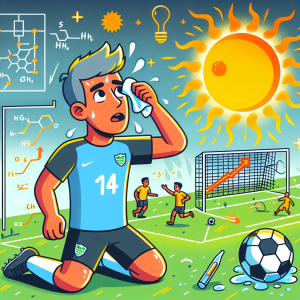
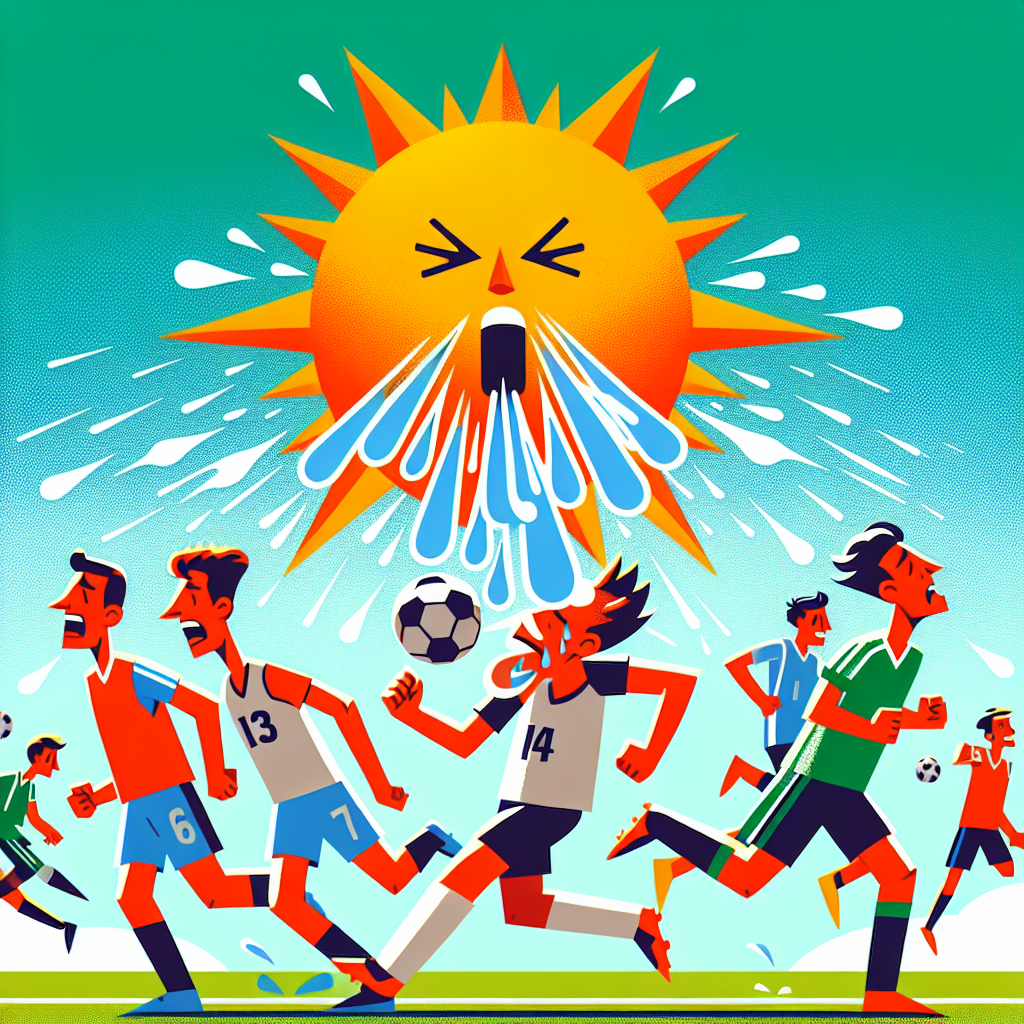
As the world eagerly anticipates the 2026 FIFA World Cup, hosted across North America, a pertinent issue has captured the attention of the scientific community and soccer enthusiasts alike: the risk of heat stress on players. This concern is not just about comfort but about the health and performance of the athletes on soccer’s grandest stage. A comprehensive study published in Scientific Reports highlights the severe potential heat stress and dehydration risks players might face due to the climatic conditions predicted for some of the venues.
Heat Stress and Soccer: Understanding the Risks
The study investigates the risks posed by severe heat stress and the potential water loss players may experience, particularly in venues such as Arlington, Texas, and Monterrey, Mexico. These locations are among those identified as posing the highest risk due to projected high temperatures, which in some cases, could surpass 49.5°C. Such conditions not only threaten player well-being but could also significantly impact performance on the field.
The Universal Thermal Climate Index (UTCI)
The research used the Universal Thermal Climate Index (UTCI) to model the thermal stress conditions players might experience. This index is crucial for assessing how different meteorological conditions may affect human thermoregulation. Adjustments were made in the study to account for the dynamic and high-intensity nature of soccer, considering factors like activity levels and clothing configurations unique to the sport.
‘The conditions during the 2026 World Cup could set a new benchmark for thermal stress management in sports,’ says Dr. Katarzyna Lindner-Cendrowska, lead author of the study. The publication in Nature highlights how these insights could optimize player preparation and safety protocols.
Strategies for Managing Heat Stress
Given the findings, it’s imperative for teams to develop strategies to mitigate potential health impacts. This might involve adjusting training schedules, implementing hydration protocols, and potentially altering game timings to cooler periods of the day. Harnessing data from biometeorological indices will be vital for teams as they prepare their athletes for competition.
- Hydration Management: Players must maintain optimal hydration levels before, during, and after matches. This includes the implementation of rigorous fluid replacement strategies tailored to individual needs, considering each player’s propensity for sweat and electrolyte loss.
- Cooling Techniques: Teams might employ cooling vests, cold water immersion, and portable fans as part of their training regimen to help manage body temperatures pre and post-match.
- Acclimatization: Gradual exposure to heat stress well ahead of tournaments can help acclimatize players, allowing their bodies to adjust to the increased thermal loads predicted during matches.
Future Implications and Research
The study not only prepares us for the challenges of the 2026 World Cup but opens the door for broader research into the impacts of climate and environmental factors on sports. This aligns with emerging trends in sports science, where understanding physiological stresses forms central tenets of research, aiming to enhance athlete health and performance continually.
As soccer continues to thrive globally, new scientific perspectives on player health amidst climatological changes are quintessential. This research serves as a catalyst for future studies exploring how sports and environmental sciences can collaborate to safeguard athlete well-being on the field.
In summary, the insights gleaned from this research are crucial for both organizers and teams as they gear up for what promises to be a historic World Cup—unified by competition and distinguished by the challenges of climate.