3G Pitch Microplastic Concerns: Impact on Soccer Science and Environment
In recent years, the emergence of 3G pitches has transformed the landscape of soccer training and matches across the globe. These synthetic fields are widely praised for their durability and lower maintenance costs compared to natural grass fields. However, the potential environmental impact of 3G pitches is raising serious concerns among environmentalists and scientists alike.
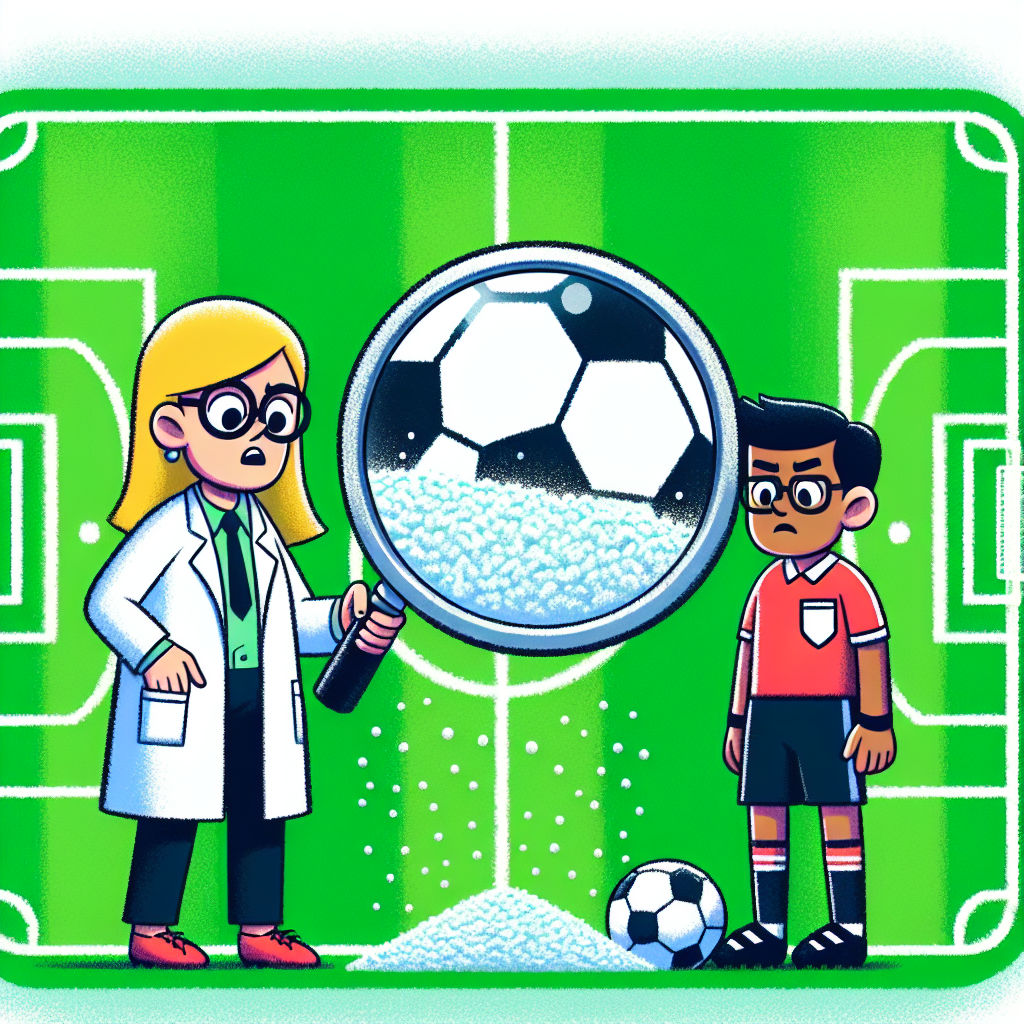
A recent study highlighted on BBC News shows increased worries about microplastics – small plastic particles that can contaminate water bodies when rubber and plastic granules used in 3G pitches are washed away by rain or cleaning activities. A charity brought these environmental concerns to light, although local councils are ensuring that current field designs comply with environmental guidelines.
Microplastics and the Environmental Impact
Microplastics are known to cause significant harm to aquatic ecosystems and biodiversity. They are particularly concerning because of their potential to absorb toxic pollutants, a process that can magnify as they move up the food chain. The issue of microplastics in fields is closely linked to the technology used in the development and maintenance of 3G pitches, bridging a substantial environmental risk and the popular use of these pitches in sports.
The Science Behind 3G Pitches
3G pitches are made from synthetic fibers and filled with rubber crumbs derived from recycled tires. These rubber crumbs are known for providing a cushioned experience similar to natural grass. However, the durability and resilience of synthetic rubber mean these surfaces significantly contribute to microplastic pollution. According to a report from NYTimes, it’s found that the rubber materials used in such pitches account for around one-seventh of the world’s total microplastic production annually.
Potential Solutions and Alternatives
Efforts are being directed towards designing more sustainable alternatives to 3G pitch materials that meet safety standards without adverse environmental impact. This includes improving catchment systems that prevent infill from leaving the pitch during rainfall. Additionally, researchers are revisiting materials science to discover new materials for synthetic turf that break down harmlessly or can be fully recycled.
Abating Microplastic Pollution in Soccer Fields
There are several initiatives around the world focused on this particular challenge. One strategy is to improve maintenance tools and practices to minimize the inevitable loss of rubber crumbs to the natural environment. More stringent regulations are also being discussed, requiring the use of organic or non-toxic alternative infill options.
Soccer’s Role in a Sustainable Future
Society needs to balance the benefits of 3G pitches in terms of accessibility to football with their environmental impact. As scientists and policymakers rally to address these issues with regulations and new technologies, the soccer community can play its part by advocating for and adopting such innovative, eco-friendly solutions.
Moreover, soccer associations and clubs should engage with these environmental issues by investing in sustainable technologies and raising awareness among players and the community. As environmental stewardship becomes more central to sports strategy, the potential for positive change in soccer science is immense.
Resonating Impact on Players and Fans
The environmental conversation surrounding 3G pitches extends beyond ecological science. It calls for broader engagement from all stakeholders involved – including players, fans, and sports authorities. By fostering collaboration among these groups, the soccer community can ensure sustainable development practices are effectively implemented and celebrated in every aspect of the beautiful game.