The Neuroscience of Soccer: How Passion and Loyalty Ignite the Brain
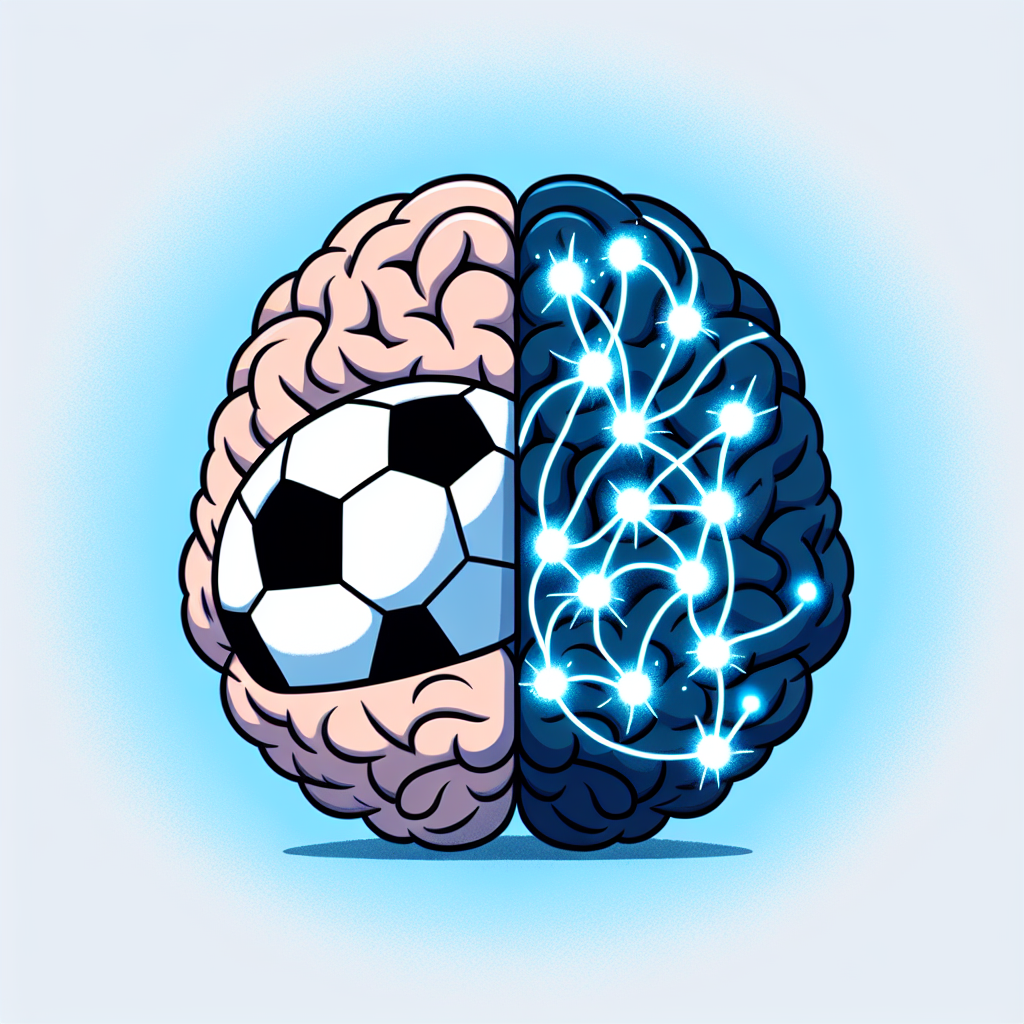
Neuroscientists have been studying the passionate world of soccer to understand the complex emotions that fans experience. These emotions range from elation to despair and sometimes even violence. A new study involving brain scans of soccer fans reveals intricate details on how passion and rage are processed within the brain.
Understanding the Emotional Highs and Lows
The excitement of watching a team score a goal or the agony of witnessing a defeat can elicit powerful emotional responses in soccer fans. Researchers found that during times of victory, fans experience a burst of reward activity in their brains. This activity is linked to dopamine release, often referred to as the ‘feel-good’ neurotransmitter.
On the other hand, losses tend to dampen control signals in the brain. This means that emotions can override logic, leading to what some might describe as irrational behavior. Francesco Zamorano, a neuroscientist involved in the study, explained, ‘The same brain circuits that fuel sports passion may also underlie political or social fanaticism.’ (Science Daily)
How Brain Activity Mirrors Loyalty and Rivalry
Loyalty to a specific team can be so ingrained that it becomes part of a fan’s identity. Brain scans reveal that when fans think about their favorite team, areas of the brain associated with personal identity and self-definition become active. This mirrors how people react when thinking about family or close friends, highlighting the powerful role of loyalty in shaping individual identities.
The Potential for Explosive Reactions
The study also sheds light on how early experiences might shape whether these brain circuits lead to healthy excitement or explosive reactions. Fans with a history of strong emotional ties can exhibit intense loyalty, which sometimes manifests as aggression towards rival teams. Researchers suggest that understanding these neural pathways can help in developing interventions to mitigate violence among fans.
Implications for Understanding Human Behavior
This research doesn’t just apply to sports. The brain circuits involved in soccer fandom could help decode behaviors observed in other domains, such as politics or religion, where loyalty and rivalry strongly influence decisions and actions.
- Loyalty: How it mirrors social bonding
- Aggression: The neural pathways leading to anger and violence
- Interventions: Using neuroscience to address fan violence
These insights open the door to understanding how human passions drive both positive social connections and negative confrontations.
Cultivating a Positive Fan Culture
Moving forward, clubs and organizations might focus on promoting positive fan engagement, using these findings to nurture a more inclusive and supportive community spirit. Encouraging positive interactions between fans of different teams and fostering an environment of mutual respect could diminish the negative aspects of rivalry.
As soccer continues to unite millions of fans worldwide, these scientific discoveries contribute to a better understanding of the psychological and physiological dynamics at play in stadiums.
For more insights into the emotional and neurological aspects of soccer fandom, check out the detailed study available at Science Daily.