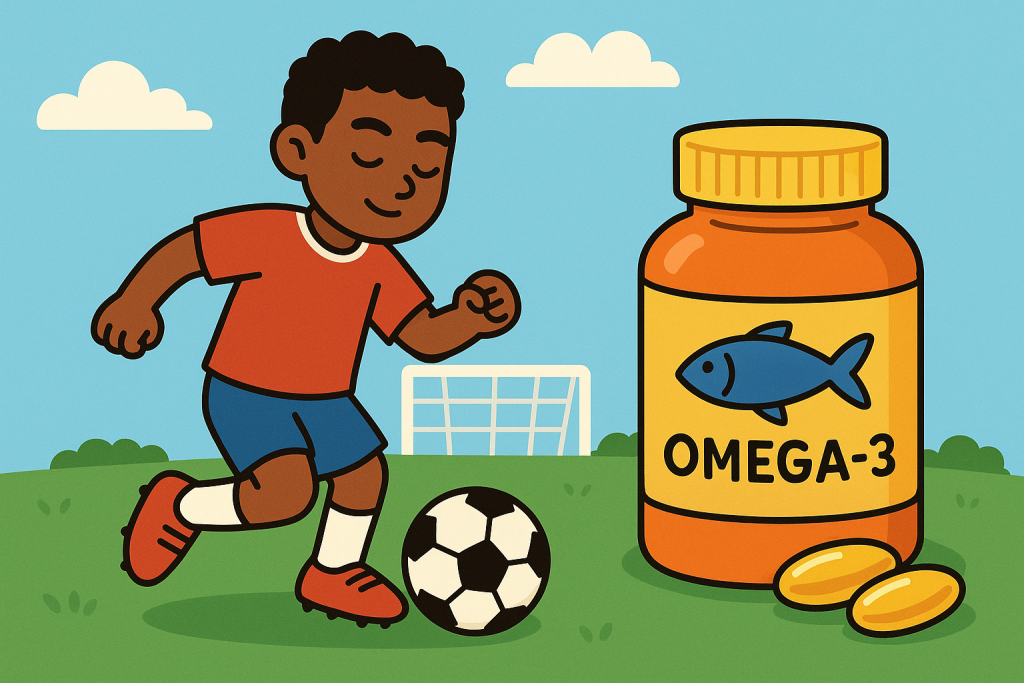
Exploring the Impact of Omega-3 Supplements on Soccer Performance and Health
As soccer science continues to evolve, the need for players to optimize their performance and health has never been greater. Recent research has shed light on various dietary supplements, with omega-3 fatty acids gaining traction for their potential benefits in sports nutrition. This blog post looks at the latest findings regarding omega-3 supplementation, its effects on athletes, and the implications for soccer players specifically.
The Science Behind Omega-3 Fatty Acids
Omega-3 fatty acids—primarily found in fish oil—consist of three key types: EPA (eicosapentaenoic acid), DHA (docosahexaenoic acid), and ALA (alpha-linolenic acid). These essential fats are known for their roles in heart health, brain function, and anti-inflammatory effects, making them a compelling focus for athletes seeking to enhance recovery and reduce injury risk.
Latest Research Findings
- Omega-3 and Insulin Resistance: A recent study found that omega-3 supplementation may help reduce insulin resistance, a significant concern for athletes managing energy levels and metabolic health. This is especially relevant as metabolic syndrome becomes increasingly common among athletes (Science Daily).
- Anti-Inflammatory Effects: With the physical demands of soccer, athletes are prone to inflammation and muscle soreness. Omega-3s have been shown to shift immune cells into a more anti-inflammatory state, potentially supporting quicker recovery during intense training periods (Science Daily).
- Cognitive Benefits: Emerging evidence suggests that omega-3s can improve mood and cognitive function, which are critical for maintaining focus during matches and training. Enhancements in memory and attention span can benefit soccer players, aiding quick decision-makingon the field.
The Role of Omega-3s in Game Performance
Beyond just physical recovery, the implications of omega-3 supplementation on soccer performance can be substantial:
- Improved Endurance: By enhancing cardiovascular efficiency, omega-3s can help players sustain their energy levels throughout a match, ensuring they can maintain peak performance.
- Enhanced Mental Clarity: With the mental demands of soccer, improved cognitive function from omega-3s could lead to better strategic thinking and quicker reactions during gameplay.
- Injury Prevention: The anti-inflammatory properties of omega-3s may reduce the risk of common soccer injuries such as muscle strains and tendonitis, allowing players to train and compete more consistently.
Best Sources of Omega-3s
Soccer players looking to incorporate omega-3s into their diet can benefit from the following sources:
- Fatty Fish: Salmon, mackerel, sardines, and herring are excellent sources of EPA and DHA.
- Plant Sources: Flaxseeds, chia seeds, and walnuts are good sources of ALA, although they must be converted by the body to EPA and DHA, which may not be as efficient.
Conclusion
The integration of omega-3 fatty acids into the diet of soccer players holds promise for enhancing performance, recovery, and overall health. With ongoing research uncovering the multifaceted benefits of these essential fats, teams and athletes may want to consider omega-3 supplementation as part of their nutrition strategy. As always, consulting with a healthcare provider or nutritionist can help create a tailored approach that aligns with individual needs and performance goals.