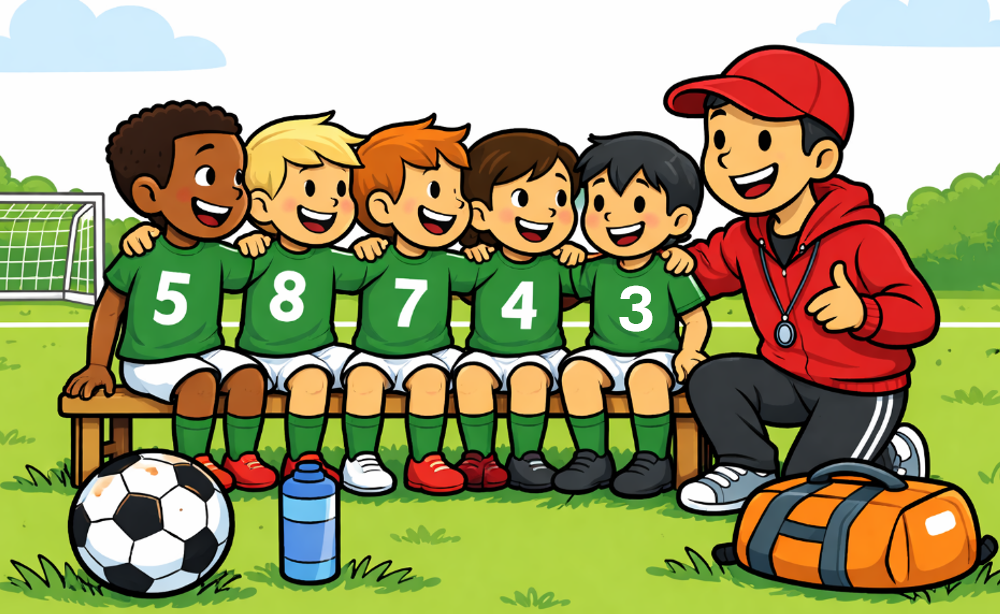
The Secret Sauce of Youth Soccer
Picture a Tuesday night training session. Cones are laid out. Bibs are handed out. But something feels off. One kid hangs back. Another snaps after a bad touch. A third is talented but disengaged.
Most coaches respond the same way: more structure, more discipline, more reps.
But here’s the uncomfortable truth backed by research: the biggest driver of development in elite youth soccer isn’t the drill plan. It’s the social environment.
A study of elite youth academy players aged 11–18 found that how connected players feel to their coach and teammates predicts whether they develop leadership, emotional control, and goal-setting skills—or feel isolated and left out . And those life skills matter just as much as technical ones, especially since only a small percentage of academy players ever turn pro.
This research gives coaches and clubs something powerful: a roadmap for building better players by building better environments.
What the Research Actually Studied (In Plain Soccer Language)
Researchers followed 133 elite academy players and looked at three big questions:
- Do players feel a real connection with their coach?
Not “nice guy” stuff—real rapport: listening, caring, showing interest beyond performance. - Do players feel united with their teammates?
Are they pulling in the same direction, or competing in unhealthy ways for status and minutes? - Do players feel three basic things during soccer?
- Autonomy: “I have a voice.”
- Competence: “I’m getting better.”
- Relatedness: “I belong here.”
Those three needs come from self-determination theory, but think of them like a tripod. Kick one out and development wobbles. The researchers then asked: when those needs are met, what changes?
The Big Findings (Why This Matters on the Training Ground)
When players felt strong coach rapport and high team cohesion, they were more likely to:
- Set meaningful goals
- Regulate emotions under pressure
- Step into leadership roles
- Feel included instead of isolated
And here’s the key insight:
👉 Coach behavior and team culture didn’t work directly. They worked by meeting players’ psychological needs.
In other words, players don’t grow because you tell them to lead. They grow because the environment makes leadership feel safe.
What This Looks Like in Real Soccer Settings
Think about a talented U14 who melts down after mistakes. This study suggests the issue may not be resilience training or mindset worksheets. It may be that:
- He doesn’t feel heard by the coach
- He doesn’t feel trusted with responsibility
- He doesn’t feel fully accepted by the group
Fix the environment, and emotional regulation improves.
Or take the quiet player who never speaks up. When autonomy and competence are supported, leadership starts to emerge naturally. Not every leader wears the armband, but many more are capable than we notice.
5 Practical Coaching Moves You Can Use This Week
Here’s how to turn positive youth development in soccer from theory into action:
1. Build Rapport in Small, Consistent Moments
You don’t need long talks. Ask one non-soccer question per session. Remember an answer. Follow up next week.
2. Give Players Real Choices
Let players choose warm-up variations, small-sided formats, or team challenges. Autonomy fuels engagement.
3. Define “Team Success” Beyond Winning
Celebrate collective behaviors: tracking back, communication, and effort after mistakes. This strengthens task cohesion.
4. Rotate Leadership Opportunities
Leadership isn’t just about captains. Assign session leaders, equipment leads, or reflection starters.
5. Watch for Silent Exclusion
The study found lower need satisfaction linked to feeling left out. Scan who never gets the ball, feedback, or eye contact.
These are low-cost, high-impact changes—no tech required, no extra training blocks.
Why Clubs Should Pay Attention
Academies often emphasize competition: rankings, contracts, selection. This study shows that cohesion and care don’t weaken performance—they support it.
Clubs that invest in coach education around relationships and team culture aren’t going soft. They’re increasing the odds that players leave the system as confident, self-regulating young adults—whether they make it to the first team or not.
That’s development done right.
Your Turn to Kick It Off
- How intentionally do you build rapport with every player on your roster?
- Where could you give players more voice without losing structure?
- What’s one change you could make to strengthen team cohesion this month?
Drop your thoughts below. Chances are another coach is wrestling with the same questions—and this is how better soccer environments start.