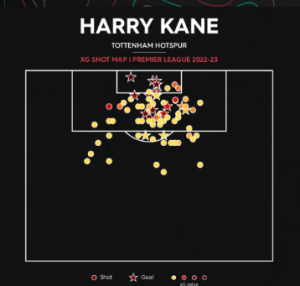
When Data Lies: What Local Soccer Clubs Can Learn from Tottenham’s Analytics Problem
In modern soccer, data is everywhere. From professional broadcasts to youth training apps, metrics like expected goals (xG) and player tracking data have become part of the game’s everyday language. But here’s the uncomfortable truth: having data doesn’t mean you’re using it well.
A recent case involving Tottenham Hotspur offers a powerful lesson not just for elite clubs, but for local teams, coaches, and youth programs trying to get better.
The Core Problem: Measuring the Wrong Things
At the heart of the issue is a simple mistake: Teams often measure what’s easy, or what they want to see, rather than what actually drives winning. In the article, Tottenham built a roster full of elite athletes: fast, explosive, physically dominant players. On paper, they looked modern and data-driven.
But on the field? They struggled. Badly. Why?
Because they overlooked one of the most fundamental truths in soccer: If you can’t pass, nothing else matters.
The Metrics That Actually Matter
For years, analytics has pointed to one key insight: Teams that consistently create more chances than their opponents, measured by expected goals (xG), tend to succeed over time.
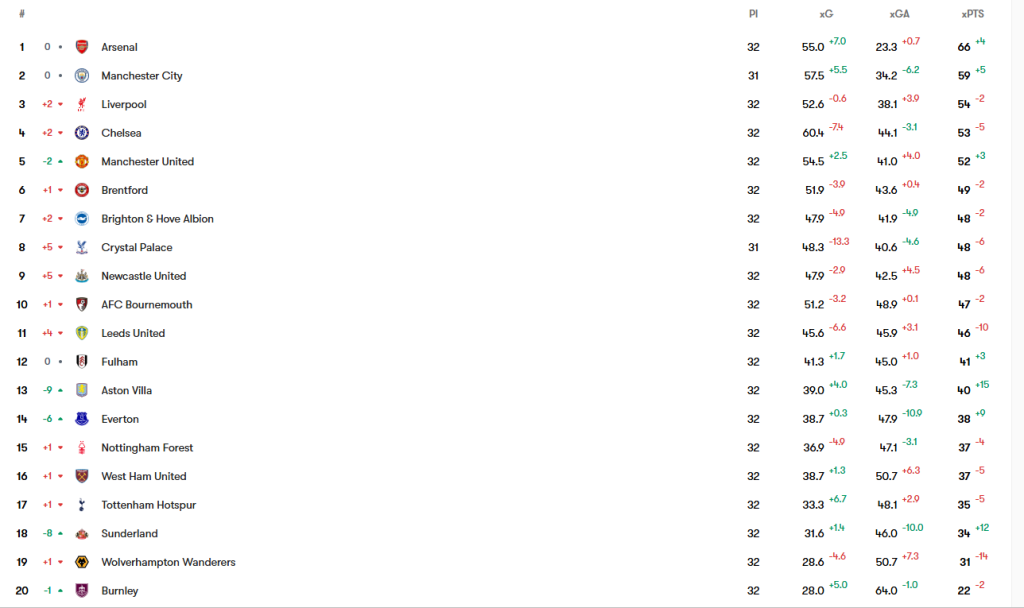
This matters because soccer is chaotic. The best team doesn’t always win on a given day. But over a season? Good process beats random outcomes. That’s why metrics like:
- Passing quality
- Chance creation
- Ball progression
…are far more predictive than surface-level stats like goals or even raw athletic output.
The Danger of “New” Data
Here’s where things get interesting and dangerous. New tracking technologies now measure:
- Sprint speed
- Distance covered
- Explosiveness
- Off-ball movement
These are useful. But they come with a trap. Instead of improving decision-making, some clubs are using these metrics to confirm existing biases, favoring players who look impressive rather than those who actually impact winning.
In Tottenham’s case, this led to a roster full of athletes…but not enough players who could reliably move the ball.
What This Means for Local Soccer Clubs
If you’re running a youth club, high school program, or community team, this isn’t just a Premier League problem. It’s your problem too.
1. Don’t Chase “Shiny” Metrics
It’s tempting to track everything like speed, distance, touches. But ask yourself: Does this actually help us win games or develop players? If not, it’s noise.
2. Focus on the Fundamentals First
Before anything else, prioritize:
- Passing accuracy under pressure
- Decision-making speed
- Creating and denying quality chances
You don’t need expensive software to track this. You just need intentional coaching.
3. Use Data to Challenge Yourself—Not Confirm Yourself
The biggest lesson from this story is psychological. Both the baseball example and the soccer example show the same thing: Organizations often use data to justify decisions they’ve already made. Great clubs do the opposite. They use data to ask uncomfortable questions:
- Are we overvaluing athleticism?
- Are we ignoring technical weaknesses?
- Are we developing the right skills?
4. Keep the Main Thing the Main Thing
In Moneyball, the famous question was: “Can he hit?” In soccer, the equivalent might be: “Can he pass?”
For youth development, especially, this is critical. Because the players who succeed long-term aren’t just the fastest or strongest. They’re the ones who can:
- Read the game
- Make smart decisions
- Execute consistently under pressure
The Bigger Lesson for the Future of Soccer Development
We are entering a new era where even grassroots clubs have access to data. That’s a huge opportunity.
But it also comes with responsibility. The future won’t belong to the teams with the most data. It will belong to the teams that:
👉 Ask the right questions
👉 Measure what matters
👉 Stay grounded in the fundamentals of the game
Because at every level—from U5 to the Premier League—the same truth holds:
Soccer isn’t won by spreadsheets.
It’s won by players who can actually play.