The Emergence of Soccer Neuroscience
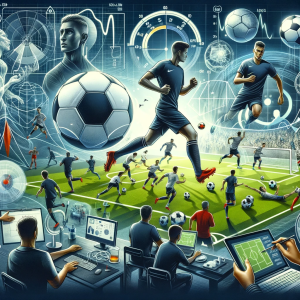
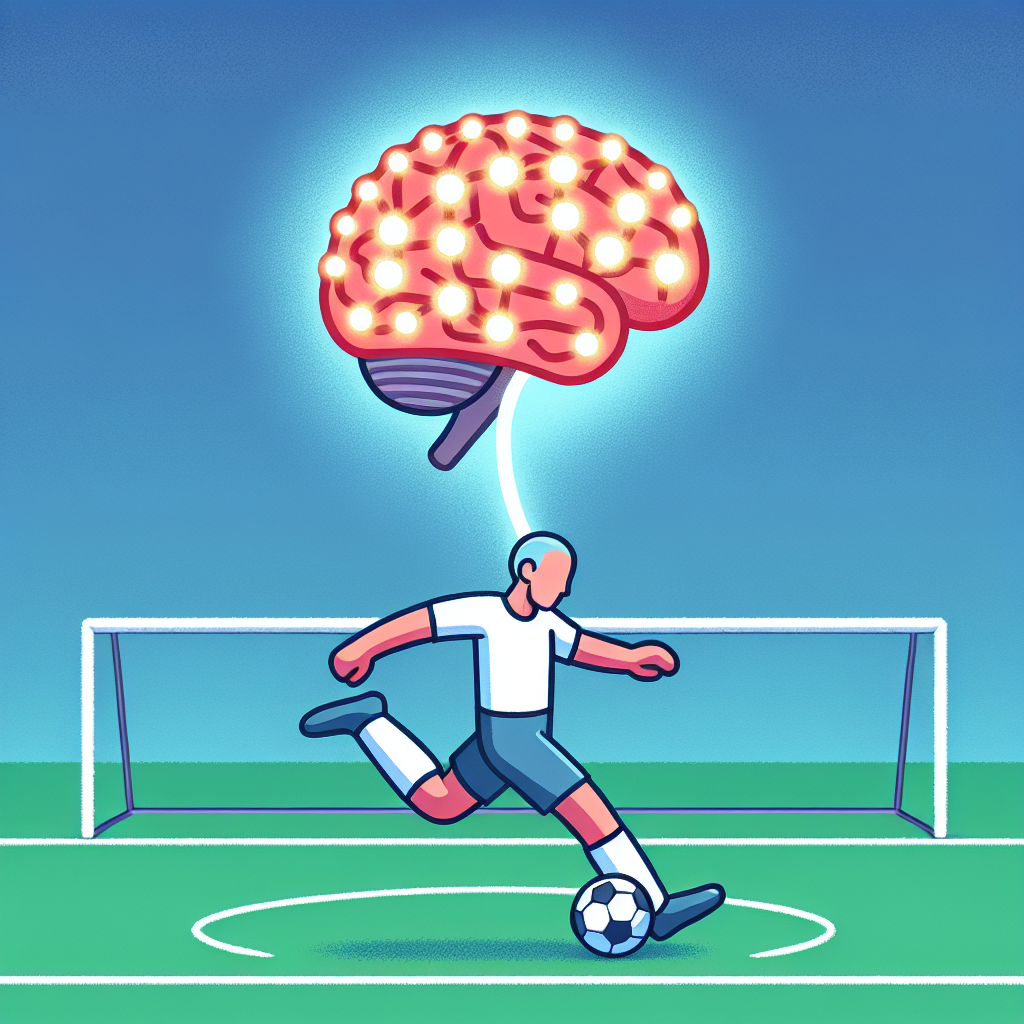
In recent years, the realm of neuroscience has begun its infiltration into the world of sports, with a significant impact on soccer. This burgeoning field, termed ‘soccer neuroscience’, involves understanding how brain functions affect performance and how these insights can be utilized to enhance training regimes and in-game decision making.
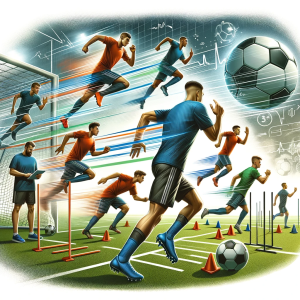
Neuroscience applications in soccer can range from improving player performance through cognitive training to understanding how psychological stress impacts mental state and physical performance. Research indicates that cognitive functions such as decision-making, attention, and perception are crucial in soccer performance. Insights from neuroscientists are being leveraged to tailor training programs that enhance these mental faculties, thereby giving players a competitive edge.
Advancements in Technology and Training
Technological advancements have enabled the integration of neuro-training tools in player development. VR simulations replicating real-game scenarios allow players to train their neural responses to various game situations, enhancing their ability to make split-second decisions under pressure. This technology is becoming increasingly accessible at all levels of the game, from professional clubs to amateur academies.
Devices that measure brain activity are also being used to monitor stress levels and cognitive fatigue in players. Understanding these physiological markers helps coaches design training sessions that optimize both physical and mental recovery, maintaining peak cognitive performance during matches.
Case Studies and Successful Implementations
Several top-tier football clubs and national teams have begun investing in neuroscience as a tool for player development. Clubs are now employing neuroscientists to work alongside coaches to integrate cognitive training into the daily routine of players.
For instance, the Brazilian national team has been reported to engage in scientific consulting to improve performance. By analyzing cognitive data, coaches are better equipped to provide personalized training plans that cater to the unique mental strengths and weaknesses of each player.
The Impact on Player Health and Safety
Apart from performance enhancement, neuroscience is also contributing significantly to player safety. By understanding brain function, teams can better manage the risk of concussions and other brain injuries. Proper diagnosis and treatment protocols are being developed that prioritize brain health, ensuring players do not return to play prematurely.
Furthermore, the psychological well-being of players, often overlooked in traditional training setups, is gaining importance. Ensuring mental health stability is now a key concern, with clubs integrating psychological support systems as part of their infrastructure.
Challenges and Criticisms
Despite its promises, the introduction of neuroscience into soccer has not been without its challenges. Critics argue about the ethical implications of monitoring brain activity, raising privacy concerns for players. Additionally, there is debate over the reliability of neuroscientific data, given that human cognition is complex and variability between individuals can be vast.
Despite these challenges, the potential benefits of integrating neuroscience into soccer are immense and continue to be explored by pioneers in the field.
Conclusion
Soccer neuroscience is poised to transform the game, not only by enhancing player performance but also by emphasizing player health and safety. As technology advances, the fusion of neuroscience and soccer will likely lead to a new era of training methods that focus on optimizing mental and physiological performance.
This intersection of disciplines not only enriches the sport itself but also contributes to our broader understanding of how the human brain functions in high-stakes, dynamic environments.