The Science Behind Soccer Fans’ Brain Activity
Soccer isn’t just a game; it’s a profoundly emotional experience that resonates deeply with fans worldwide. Recent findings have revealed new insights into the impact of this sport on the brain. Let’s explore the fascinating science behind the brain activity of soccer fans and what it can teach us about passion, rivalry, and even fanaticism.
The Emotional Rollercoaster of Victory and Loss
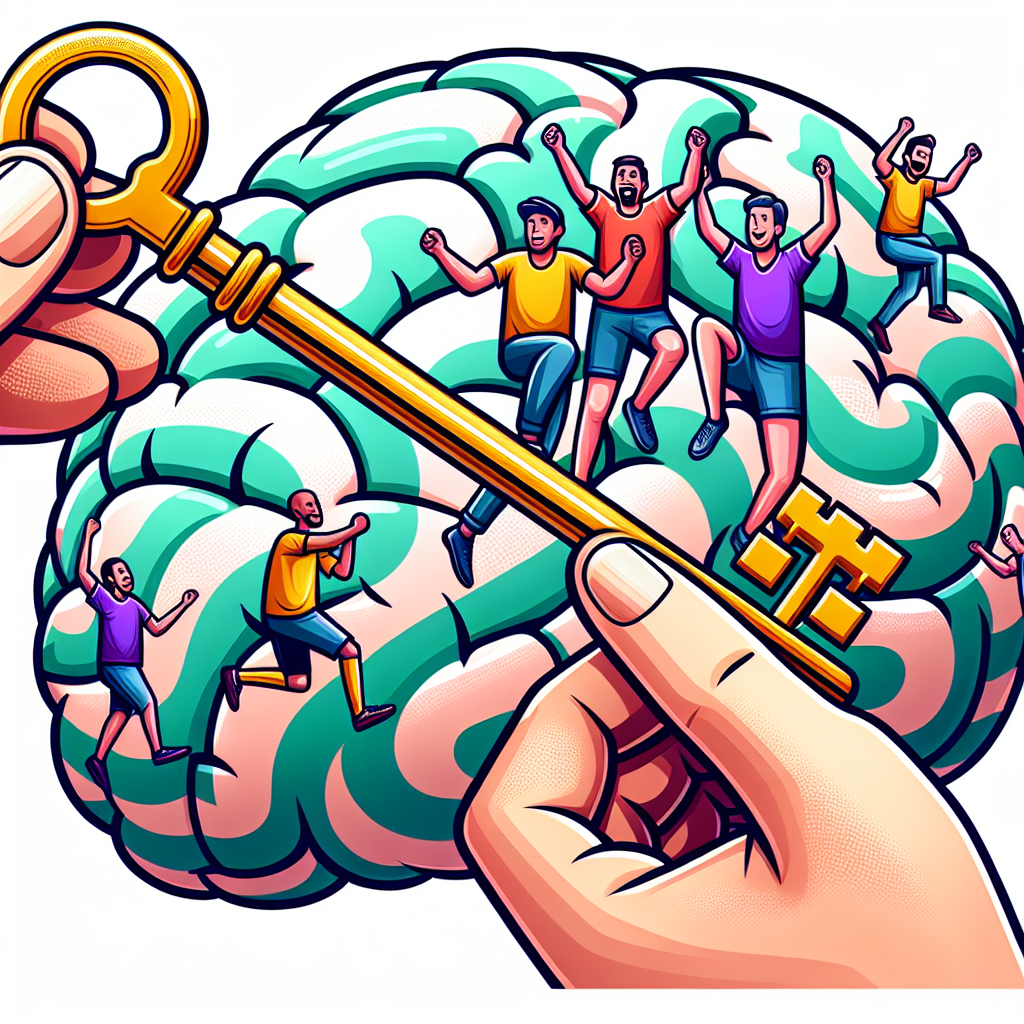
Researchers have used advanced neuroimaging techniques to scan the brains of dedicated soccer fans. They found that when fans watch their team win, there’s a significant burst of reward activity in the brain. This is akin to the joy experienced during personal achievements. Conversely, a loss isn’t just a minor disappointment; it dampens the brain’s control signals, indicating the profound emotional investment fans have in the game.
ScienceDaily reports that these emotional storms reflect deeply rooted circuits responsible not only for sports passion but also for political and social fanaticism.
Mirror Neurons: Shared Celebrations and Sorrows
The role of mirror neurons is crucial in this context. These neurons allow fans to feel as if they are part of the game, celebrating every goal as if they scored it themselves. When a team faces a setback, fans experience real physical disappointment, triggered by these neurons.
This phenomenon explains why fans often engage in shared celebrations and communal viewing experiences, heightening the intensity of both victories and losses.
The Neural Basis of Loyalty and Rivalry
The same circuits that engender sports loyalty can underpin intense rivalries. Teams become extensions of fans themselves, which is why contests can sometimes lead to extreme behaviors. While this loyalty can foster community and camaraderie, it can also lead to division.
Comparative Studies: Ballet and Sports Enthusiasm
The intrigue of sports enthusiasm isn’t unique to soccer. Similar studies, like those examining ballet fans, reveal that seasoned spectators not only cognitively engage with performances but also emotionally internalize movements as if they were dancing themselves. This cross-domain insight emphasizes the depth of human empathy in spectating, whether in front of a soccer field or a stage.
Conclusion: More Than Just a Game
Understanding the complex brain dynamics of soccer fans sheds light on more than just sports psychology; it illuminates broader themes of loyalty, rivalry, and community. As more research unfolds, these insights may help us harness the positive aspects of fandom while addressing the challenges of fanaticism.
Next time you find yourself swept up in the passion of a match, remember there’s a fascinating science at play, uniting us all through the universal language of sport.