Cognitive Psychology and Mental Training Enhances Soccer Performance
As the understanding of soccer dynamics evolves, new research offers profound insights into how mental and physical elements intertwine on the field. This synthesis highlights groundbreaking advancements in cognitive psychology, impacting soccer players’ performance and strategies.
The Psychological Catalyst in Soccer
It’s not just skill or stamina that defines a soccer player’s success; mental acuity plays a transformative role. Recent studies explore how cognitive strategies enhance player performance (BMC Sports Science). By leveraging psychological insights, players can gain an edge through improved decision-making, focus, and emotional regulation.
Brain Activity: The Unseen Player
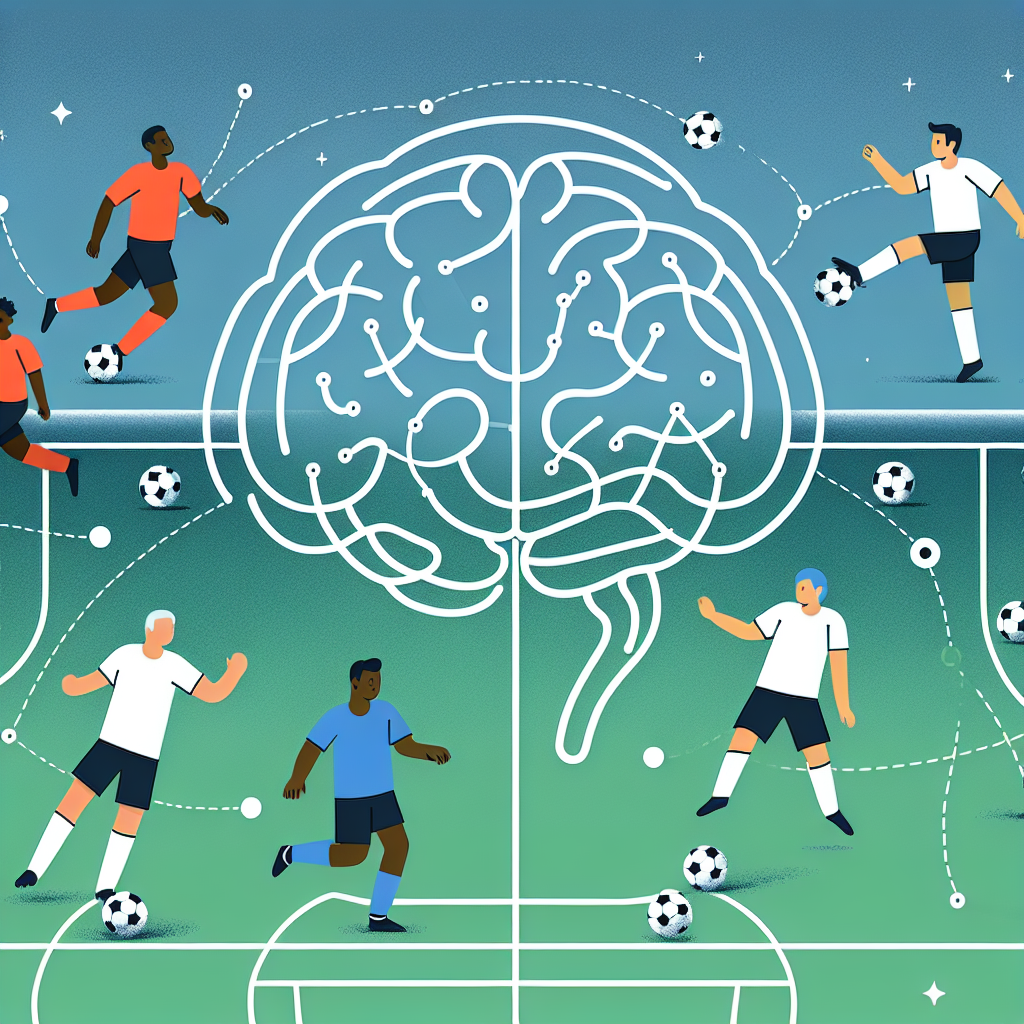
A study on soccer fans’ brain scans reveals how emotions like passion and rivalry affect neural circuits. Similar processes occur with players, influencing their performance on the field. Understanding these neural engagements can help in developing tailored cognitive training programs.
Influence of Early Mental Training
Integrating cognitive training early in a player’s development is vital. Mental exercises can significantly improve players’ stress management and on-field judgment, which are crucial during high-stakes matches.
Transforming Strategies with Psychological Training
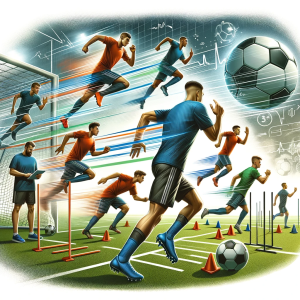
Adaptive strategies based on cognitive psychology are becoming increasingly prevalent. Coaches now incorporate mental conditioning alongside physical drills, recognizing the comprehensive benefits it offers.
- Enhanced Decision-Making: Players trained in cognitive skills can make quicker, more precise decisions during critical moments.
- Focus and Concentration: Techniques to maintain mental focus under stress lead to fewer errors and better game management.
- Emotional Control: Managing emotions can mitigate the impact of aggressive plays and pressure situations.
‘The mind is everything. What you think, you become.’ – Buddha
This philosophy is embraced by teams globally, reshaping how players approach training and competition.
Practical Application and Future Directions
Implementing cognitive psychology techniques in soccer involves structured approaches such as visualization, mindfulness, and goal-setting exercises.
Future Research Prospects
Further research is needed to quantify the long-term effects of cognitive training on performance metrics such as game-winning plays and resilience. Studies could explore how different psychological techniques affect players with diverse cognitive backgrounds and learning styles.
Additionally, integrating technology in cognitive training, such as VR simulations, can offer immersive environments for players to refine their mental resilience and adaptability.
Conclusion
Advancements in cognitive psychology present exciting prospects for soccer, where mental prowess becomes as critical as physical skills. By fostering mental resilience and tactical thinking, players can elevate their game, leading to smarter, more emotionally balanced athletes. As teams continue to leverage these insights, the marriage of mind and muscle may well redefine the future of soccer excellence.
Citations: BBC Science, Science Daily, NYTimes