Why ACL Prevention Programs Fail in Real Life—and What Soccer Coaches Must Do About It
ACL injuries are one of the biggest threats to soccer players—especially female athletes. While science has given us powerful prevention tools, a new systematic review reveals a hard truth:
The problem isn’t the program. It’s the implementation.
Based on a 2026 systematic review of neuromuscular training (NMT) programs, this article breaks down what actually works—and what coaches and clubs must change immediately.
The ACL Injury Problem in Soccer (Especially for Female Players)
ACL injuries occur 2–8 times more often in female athletes, especially in sports like soccer that involve cutting, jumping, and rapid direction changes. These injuries aren’t just short-term setbacks:
- 6–9 months recovery time
- Increased risk of re-injury
- Long-term osteoarthritis risk
- Psychological and academic impacts
And yet—despite decades of research—injury rates haven’t dropped at the population level.
Why?
Neuromuscular Training Works—In Theory
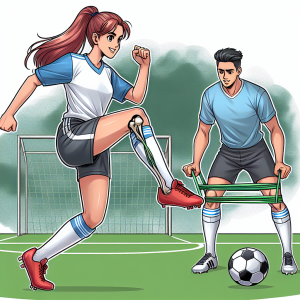
Programs like FIFA 11+ and other neuromuscular training systems combine:
- Strength training
- Plyometrics
- Balance work
- Movement mechanics
Under controlled conditions, they can reduce ACL injuries by:
- 73% (non-contact ACL injuries)
- ~44% overall
In one standout finding: Training 2+ times per week reduced ACL risk by up to 85% in female soccer players
But Here’s the Catch: Real-World Implementation Is Weak
This review analyzed 13 studies (2,800+ athletes) and found:
Implementation quality is just as important as the program itself.
What Goes Wrong in Real Soccer Settings?
- Coaches don’t consistently run the program
- Time pressure leads to skipped sessions
- No ongoing support or accountability
- Programs are introduced but not sustained
In one study:
- Athlete compliance = 87.8%
- Coach compliance = 52.5%
The bottleneck wasn’t the players—it was the system around them.
Schools vs Clubs: A Huge Gap
The study found major differences between environments:
| Setting | Implementation Success |
|---|---|
| Schools | 89–100% |
| Community clubs | 52–85% |
Why Schools Perform Better:
- Structured schedules
- Dedicated staff (athletic trainers)
- Built-in accountability
Why Clubs Struggle:
- Volunteer coaches
- Limited time
- Competing priorities (winning vs development)
What Actually Works: High-Quality Implementation
The review identified a clear pattern:
Low-Impact Approach
- Handouts
- One-time workshops
- “Here’s a program—good luck”
High-Impact Approach
- Ongoing professional support
- Stakeholder engagement (coaches, clubs, leadership)
- Structured integration into training
Programs with strong support achieved: 73%–85% compliance vs much lower rates for passive approaches
What This Means for Soccer Coaches
1. Consistency Beats Perfection
You don’t need a perfect program—you need a consistent one.
- Aim for 2+ sessions per week
- Embed into warm-ups (don’t treat as “extra”)
2. You Are the Critical Variable
The research is clear: Coaches—not players—determine success or failure. If you:
- Skip sessions
- Rush through exercises
- Don’t reinforce technique
The program fails—even if it’s evidence-based.
3. Simplify and Integrate
The best programs are:
- Short (10–15 minutes)
- Built into existing training
- Repeatable every session
Think: warm-up = injury prevention system
4. Demand Support from Your Club
Clubs need to stop treating injury prevention as optional. High-performing systems include:
- Coaching education
- Monitoring compliance
- Strength & conditioning support
- Clear expectations across teams
5. Track and Reinforce Compliance
If you don’t track it, it won’t happen. Simple options:
- Weekly checklist
- Assistant coach accountability
- Player leadership roles
What This Means for Clubs and Directors
This is where the biggest opportunity lies.
Clubs That Win Long-Term Will:
- Standardize injury prevention across all teams
- Train coaches—not just players
- Build systems, not one-off programs
- Align performance + health (not trade-offs)
The Hidden Cost of Ignoring This
Without proper implementation:
- Injury rates stay high
- Player retention drops
- Medical costs rise
- Competitive development suffers
Meanwhile, clubs that get this right: Develop healthier, more durable, higher-performing players
The Big Takeaway
This study flips the script: We don’t have an ACL prevention problem. We have an implementation problem.
For soccer coaches and clubs, that’s actually good news. Because implementation is something you can fix—starting today.
Call to Action
If you coach or run a club:
👉 Audit your current warm-up and injury prevention practices this week
👉 Commit to 2 sessions per week minimum
👉 Build accountability into your system
Because the difference between injury and prevention isn’t knowledge. It’s execution.