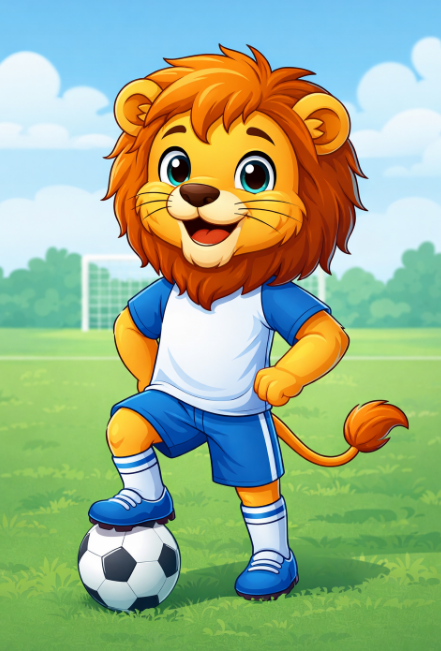
Why Soccer Mascots Matter More Than You Think (And How They Shape Fan Loyalty)
When you think about soccer success, you probably picture tactics, talent, or maybe ticket sales.
But what if one of the most powerful drivers of fan engagement is… a mascot?
A new study published in Scientific Reports dives into something most clubs overlook: how mascot design directly shapes fans’ feelings about a sporting event. And the results are surprisingly powerful.
The Big Finding: Mascots Shape How Fans Feel About the Game
Researchers analyzed over 33,000 social media comments and surveyed 400 fans to understand what makes a mascot effective.
Their conclusion was clear: The more attractive and engaging a mascot is, the more positively fans feel about the event itself.
Even more interesting? Mascots don’t just entertain—they help fans identify with the event, which is one of the strongest predictors of loyalty and engagement.
The 6 Things That Make a Soccer Mascot Actually Work
The study identified six core factors that determine whether a mascot boosts fan engagement or falls flat.
1. Event Impact (How Big the Event Feels)
If a tournament feels important, the mascot benefits too. Think World Cup-level buzz vs. a local tournament—scale matters.
2. Event Professionalism
Fans notice quality. High production value, strong branding, and organization all make mascots feel more “legit.”
3. Mascot Uniqueness
Generic mascots don’t stick. The best ones are:
- Distinctive
- Creative
- Instantly recognizable
4. Anthropomorphism (Human-Like Traits)
This is huge. Mascots that:
- Show emotions
- React to the game
- Act like people
…create stronger emotional bonds with fans .
5. Mascot Intimacy (Fan Interaction)
Fans don’t just want to see mascots—they want to connect. Examples:
- High-fives
- Photos
- Social media interactions
These moments build real emotional attachment.
6. Mascot Consistency
The mascot has to “fit”:
- The team
- The city
- The culture
When it does, it becomes more than branding—it becomes identity.
Why This Matters for Soccer Clubs (Especially Youth & Local)
This isn’t just for the World Cup. If you run:
- A youth soccer club
- A local league
- A regional tournament
This research applies directly to you. Because mascots help answer one key question: “Do fans feel like they belong here?” And that feeling drives:
- Repeat attendance
- Parent engagement
- Social sharing
- Long-term loyalty
The Hidden Mechanism: Identity
Here’s the real insight. Mascots work because they help fans identify with the event. The study found that:
- Mascots → increase event identity
- Event identity → increases positive attitudes
In simple terms: Fans don’t just like the mascot—they feel connected to the entire event because of it .
What Soccer Coaches and Clubs Should Do Right Now
If you’re running a program, here’s how to apply this immediately:
1. Stop Treating Mascots as an Afterthought
They are part of your core experience design, not just decoration.
2. Design for Interaction, Not Just Appearance
A great mascot:
- Moves
- Reacts
- Engages
Not just stands there.
3. Build a Story Around It
Give your mascot:
- A personality
- A backstory
- A role in your club
This increases emotional connection.
4. Use Social Media Strategically
Mascots thrive online. Short-form content (TikTok, Instagram):
- Reactions to games
- Celebrations
- Funny moments
= massive engagement potential.
5. Align With Your Community Identity
Your mascot should reflect:
- Local culture
- Club values
- Player experience
That’s what turns it into a symbol.
The Bottom Line
Mascots aren’t just for kids. They are powerful tools for:
- Marketing
- Fan engagement
- Identity building
And according to this research, they can directly shape how fans feel about your event.
So next time you’re planning your season, tournament, or club experience. Don’t just think about the game. Think about the mascot. Because it might be doing more work than you realize.
Want More Soccer Science?
At This Week in Soccer, we break down the latest research into practical insights for coaches, clubs, and players.