ACL Injuries in Soccer: Understanding the Gender Disparity and Prevention Strategies
In the fast-paced world of professional soccer, one issue that continually plagues both players and medical professionals is the incidence and management of Anterior Cruciate Ligament (ACL) injuries. As the sport evolves and female participation increases, understanding the differences in injury dynamics between male and female soccer players becomes imperative. This study from The Knee journal highlights the need for refined prevention strategies tailored to these differences.
Understanding ACL Injuries in Soccer
Despite soccer’s global popularity, injuries like ACL tears pose significant risks, often sidelining players for extended periods and impacting teams’ competitive edges. Studies show that women are at a higher risk of ACL injuries compared to men. This heightened susceptibility among female athletes is a critical focus for sports scientists aiming to reduce injury incidence in women’s soccer. The reasons range from anatomical differences to biomechanical factors. Understanding these distinct aspects can guide tailored injury prevention measures.
The Gender Disparity in ACL Injuries
Women’s football has grown exponentially, with millions of players worldwide now actively participating. As seen in top-tier leagues, females not only face a higher risk of ACL injuries but also differ in recovery trajectories from their male counterparts. This disparity is attributed to several factors: differences in knee joint anatomy, hormonal influences on ligament structure, and differences in muscle strength and conditioning.
Current Prevention Strategies
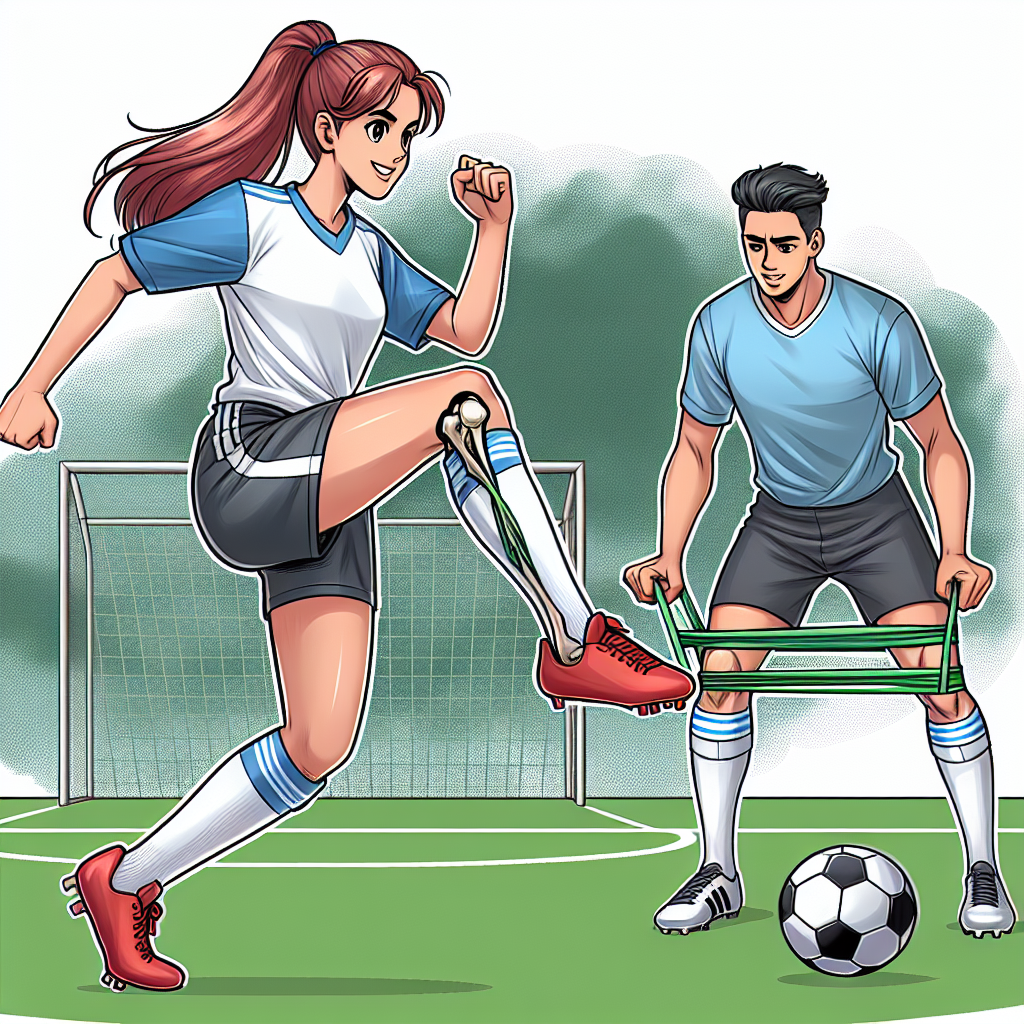
To mitigate ACL injuries, especially in females, targeted prevention warm-ups and training protocols are now standard recommendations. Neuromuscular training programs that enhance knee joint stability through muscle strengthening, along with plyometric and balance exercises, show promise for reducing injury risk. These exercises are often combined with education to improve lower limb mechanics during play.
Quote: “Preventive training protocols not only reduce the risk of ACL injuries by as much as 50% but also promote overall athletic performance,” says Dr. Margot Putukian, Chief Medical Officer for Major League Soccer (ACSM).
Innovation through Data and Technology
Advanced wearable technology enhances injury prevention by providing real-time data on player movements, enabling trainers to pinpoint risky mechanics. Such innovations empower coaches and medical staff to tailor training regimens to individual player needs, thereby optimizing performance and minimizing injury risk.
Future Directions in Research and Education
Continuous research is pivotal in uncovering more precise mechanisms of injury and fostering innovations in sports medicine. The ongoing scientific exploration into gender-specific injury profiles fuels educational initiatives for athletes and coaches alike. The integration of biomechanics, technology, and medical advancements fortifies the foundation for safer soccer experiences.
In summary, while the risk of ACL injuries remains a pressing concern in professional soccer, proactive measures harnessing preventative science and technology offer a substantial opportunity to safeguard players’ careers. The call for more gender-inclusive research remains loud, ensuring that both male and female athletes receive appropriately tailored preventative care. For soccer practitioners and enthusiasts, understanding and integrating these insights into training programs not only enhances player safety but also propels the sport towards a more equitable future.
By continuing these conversations and research into ACL injuries among soccer players, especially women, the sports community can foster a safer, more accessible sport that supports the longevity and success of its athletes worldwide.