The Sideline Effect
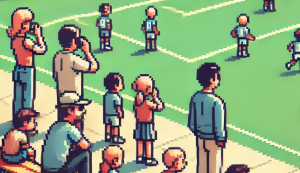
You’ve seen it. One parent shouts, “Ref, open your eyes!” Another pumps a fist after a great pass. A third quietly claps, smiling as players hustle back on defense. Same game—completely different lessons.
A new study from Sweden by Erik Andersson (Sport, Education and Society, 2020) explores how parental behavior in youth soccer not only shapes kids’ motivation and confidence but also teaches them about power, fairness, respect, and what it means to belong. In other words, the sideline is a classroom, and every parent is a teacher.
What the Research Found
Andersson listened to youth players ages 10–16 talk about how their parents act during competitive games. He found three “educational practices” that send powerful social and political messages to young athletes:
1. Work Together and Play the Game
This group of parents cheers for effort, not just results. They clap for both teams, praise fair play, and encourage players who make mistakes to “try again.” Players in these environments feel secure, respected, and valued. They see the game as a shared experience where everyone’s contribution matters—an early lesson in democracy and teamwork.
2. Inform to Win
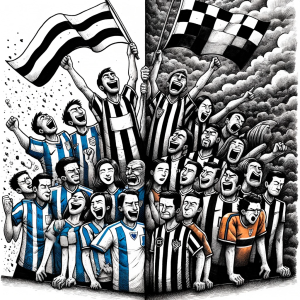
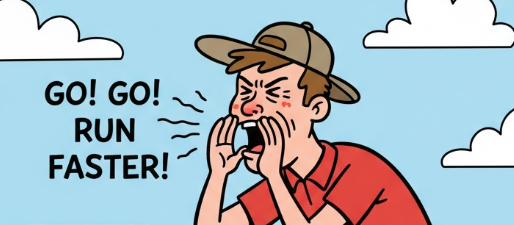
Here, parents act like assistant coaches—shouting tactical advice (“Talk to each other!” or “Mind your back!”) and focusing solely on their own team. Kids learn that winning justifies pressure, and opponents become invisible. The message? Collaboration is for teammates only, not the larger soccer community.
3. Control and Downgrade
In the most harmful pattern, parents yell, blame, or criticize players and referees. They treat the game like combat, with opponents as enemies. Players describe feeling embarrassed or afraid of making mistakes. The lesson they internalize: your worth depends on performance. Respect and empathy give way to fear and hostility.
What Coaches and Clubs Can Learn
Andersson’s research highlights that sideline behavior isn’t just noise—it’s culture-building.
Here’s how coaches and club leaders can use these insights to shape a healthier soccer environment:
- Set the tone early. Before the season starts, hold a brief “Parent Game Plan” meeting. Define positive sideline behavior—encouraging effort, respecting referees, and applauding sportsmanship.
- Make “compete respectfully” the club motto. Winning matters, but learning, belonging, and fair play matter more. Model that philosophy in how you talk about games and player growth.
- Recognize and reward the right energy. Highlight parents who embody the “Work Together and Play” spirit—maybe through a “Sideline Star” shoutout after matches.
- Give players a voice. Ask them what parent behaviors make them feel supported or stressed. Kids know the difference between motivation and manipulation.
- Train empathy like a skill. Just as players practice passing or pressing, teach parents and coaches how to handle frustration, celebrate respectfully, and support everyone on the pitch.
The Bigger Picture
Youth soccer is more than early sport specialization—it’s civic education in shin guards. Every cheer or complaint models values that stretch far beyond the field: fairness, respect, inclusion, or, sadly, hostility and blame.
As Andersson writes, when parents “work together and play the game,” they help children learn how to lead, cooperate, and build communities. When they “control and downgrade,” they risk teaching division and fear.
The ball may be on the field—but the lessons last a lifetime.
Your Turn to Kick It Off
How do you talk about sideline behavior with parents on your team?
What’s one small change your club could make to strengthen a culture of respect?
Could “fair play” start with the grown-ups?
Share your thoughts with your coaching group—or tag your club in this post to start the conversation.