Why Your Practice Might Be Holding Players Back
You run a beautiful passing drill. Crisp touches. Perfect patterns. Players look sharp.
Then Saturday comes—and everything falls apart. The passes are late. Decisions are slow. Players freeze under pressure.
Sound familiar? According to a landmark study of youth soccer coaching, this isn’t a player problem. It’s a practice design problem.
Researchers observed 70 youth soccer practices across elite, sub-elite, and non-elite levels. What they found should make every coach pause: players spent nearly two-thirds of practice doing activities that don’t resemble the game at all.
What the Research Actually Found
The study broke training into two buckets:
- Training Form: fitness runs, isolated technique drills, unopposed skills
- Playing Form: small-sided games, conditioned games, phase-of-play activities
Here’s the headline result:
65% of practice time = training form
35% of practice time = playing form
That ratio barely changed across age groups (U9 to U16) or levels (elite to non-elite). In other words, even top academies were mostly drilling—not playing.
At the same time, coaches were talking. A lot. Instruction, corrections, and management dominated sessions, while players had relatively few chances to solve problems on their own.
Why This Matters More Than Ever
Soccer performance isn’t just about clean technique. It’s about:
- reading space
- recognizing patterns
- anticipating opponents
- making decisions under pressure
Those skills cannot be trained in lines or cones. When players only practice isolated movements, they never learn when or why to use them. That’s why the technique looks great on Tuesday—and disappears on Saturday.
Modern skill science shows that decision-making, perception, and execution are inseparable. Train them separately, and they don’t transfer.
The Practice Trap Coaches Fall Into
Most coaches follow a familiar logic: “We’ll drill first, then play at the end.”
The problem? The “play” part often gets rushed, shortened, or treated as a reward rather than the main event.
The study found little progression toward more game-like training as players got older or more skilled. That’s a missed opportunity—especially since younger players also need exposure to real game problems early.
5 Practical Coaching Shifts You Can Use This Week
1. Flip the Ratio
Aim for at least 50–60% playing form in every session. Small-sided games are skill training—just with decision-making baked in.
2. Replace Drills With Constraints
Instead of saying: “Open your body when receiving.” Try:
- limit touches
- shrink space
- add scoring conditions
Let the environment teach the lesson.
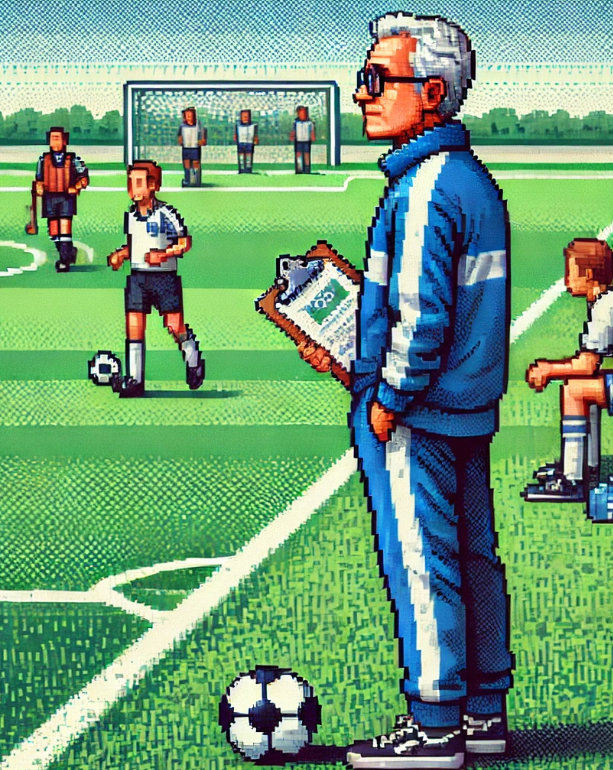
3. Talk Less During Games
The research showed instruction dominates practice—but too much talk can interrupt learning. Try this rule:
- Coach during breaks, not during flow
- Let silence do some of the teaching
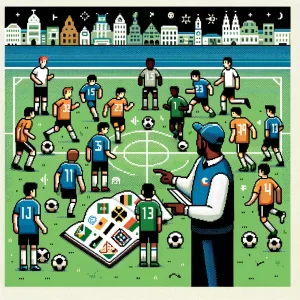
4. Use Small-Sided Games With Purpose
Not just scrimmage—design games:
- overloads (3v2, 4v3)
- directional play
- bonus points for switches or forward passes
These mirror real match problems better than cones ever will.
5. Measure “Thinking,” Not Just Touches
Ask yourself after training:
- Did players have to scan?
- Did they have choices?
- Did mistakes create learning moments?
If the answer is no, the session may look busy—but it’s not building players.
The Bigger Picture for Clubs and Development
This research helps explain why some players dominate training but struggle in games—and why others thrive in chaos. Clubs that embrace game-centered learning tend to produce players who:
- adapt faster
- stay calmer under pressure
- transfer skills across systems and levels
That’s not accidental. It’s design.
Suggested related reading:
- External: FIFA Training Centre – Small-Sided Games library
- Internal: How Constraints-Led Coaching Changes Player Decisions
Your Turn to Kick It Off
- How much of your session actually looks like the game?
- Where could you replace one drill with a small-sided game this week?
- What would happen if you coached 10% less and observed 10% more?
Drop your thoughts, tweaks, or favorite game designs below. This is how better practices spread—coach to coach.